
京ICP备13020181号-2
© 《China Plastics》
© 《China Plastics》

China Plastics ›› 2025, Vol. 39 ›› Issue (12): 13-19.DOI: 10.19491/j.issn.1001-9278.2025.12.003
• Materials and Properties • Previous Articles Next Articles
LI Shunmei1, ZHANG Dong2, XU Leyao1, JI rongrong1, DONG Shixing1, ZHOU Ling1, ZHAO Xipo1( )
)
Received:2025-03-24
Online:2025-12-26
Published:2025-12-22
CLC Number:
LI Shunmei, ZHANG Dong, XU Leyao, JI rongrong, DONG Shixing, ZHOU Ling, ZHAO Xipo. Research progress in catalytic systems for melt polycondensation of poly(lactic acid) biodegradable materials[J]. China Plastics, 2025, 39(12): 13-19.
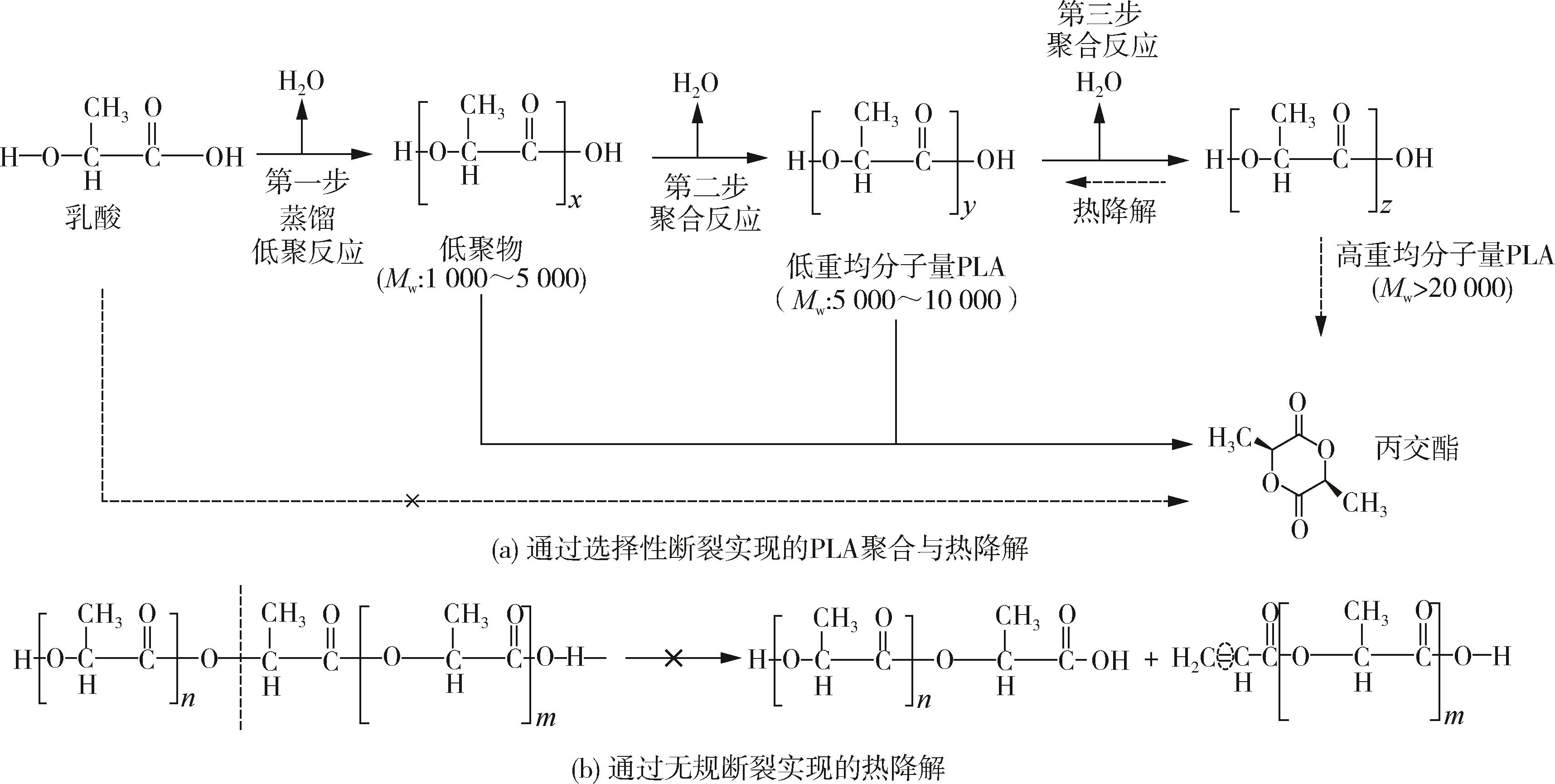
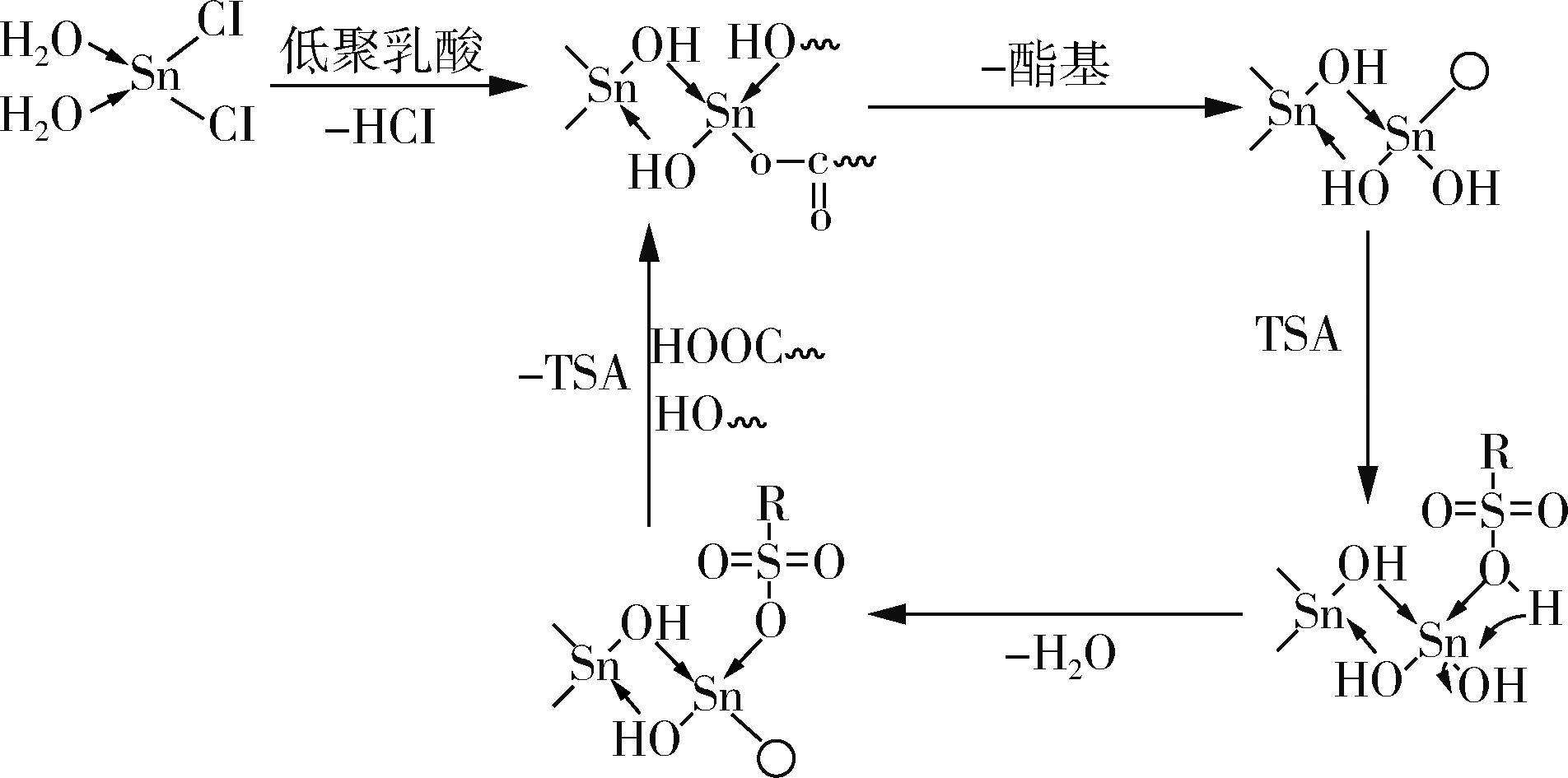
| [1] | 张阿里布米, 吕旭彦, 路学成. 聚乳酸的制备及其复合材料力学性能、结晶度改性研究进展[J]. 塑料科技, 2025(2): 187⁃192. |
| [2] | Khouri N G, Bahú J O, Blanco⁃Llamero C, et al. Polylactic acid (PLA): Properties, synthesis, and biomedical applications – A review of the literature[J]. Journal of Molecular Structure, 2024, 1309: 138243. |
| [3] | Li X, Lin Y, Liu M, et al. A review of research and application of polylactic acid composites[J]. Journal of Applied Polymer Science, 2023, 140(7): e53477. |
| [4] | 许恩杨, 张建纲, 曹 文, 等. 可控降解聚乳酸/聚乙丙交酯复合膜的制备与性能[J]. 现代纺织技术, 2025. |
| [5] | 鲁天怡, 李爱朋, 费 强. 生物合成聚乳酸研究进展[J]. 生物技术通报, 2025. |
| [6] | 杨雪梅, 郭泫华, 何晓智, et al. Zn(HMDS)2催化剂对丙交酯的开环聚合研究[J]. 高分子学报, 2025, 56(3): 442⁃448. |
| [7] | Ali W, Ali H, Gillani S, et al. Polylactic acid synthesis, biodegradability, conversion to microplastics and toxicity: a review[J]. Environmental Chemistry Letters, 2023, 21(3): 1 761⁃1 786. |
| [8] | Shekhar N, Mondal A. Synthesis, properties, environmental degradation, processing, and applications of Polylactic Acid (PLA): an overview[J]. Polymer Bulletin, 2024, 81(13): 11 421⁃11 457. |
| [9] | 张博宇, 王彦明, 张志晓, 等. 聚乳酸的制备及应用研究进展[J]. 广东化工, 2022, 49(17): 96⁃97. |
| [10] | Jem K J, Tan B. The development and challenges of poly (lactic acid) and poly (glycolic acid)[J]. Advanced Industrial and Engineering Polymer Research, 2020, 3(2): 60⁃70. |
| [11] | Tsapekos P, Alvarado⁃Morales M, Baladi S, et al. Fermentative Production of Lactic Acid as a Sustainable Approach to Valorize Household Bio⁃Waste[J]. Frontiers in Sustainability, 2020, 1. |
| [12] | 徐 豪. 熔融聚合法制备增韧、增强聚乳酸及其性能研究[D]. 南宁: 广西大学, 2020. |
| [13] | Ahmad A, Banat F, Alsafar H, et al. An overview of biodegradable poly (lactic acid) production from fermentative lactic acid for biomedical and bioplastic applications[J]. Biomass Conversion and Biorefinery, 2022, 14(3): 3 057⁃ 3076. |
| [14] | Kricheldorf H R, Weidner S M, Meyer A. Syntheses of high molecular mass polyglycolides via ring⁃opening polymerization with simultaneous polycondensation (ROPPOC) by means of tin and zinc catalysts[J]. Polymers for Advanced Technologies, 2024, 35(4): e6365. |
| [15] | Alkan Goksu Y. Enhancing the Sustainability of Poly(Lactic Acid) (PLA) Through Ketene⁃Based Chain Extension[J]. Journal of Polymers and the Environment, 2024, 32(8): 3 640⁃3 653. |
| [16] | Kricheldorf H R, Weidner S M. ROP of L⁃lactide and ε⁃caprolactone catalyzed by tin(ii) and tin(iv) acetates–switching from COOH terminated linear chains to cycles[J]. Journal of Polymer Science, 2021, 59(5): 439⁃450. |
| [17] | Achmad F, Yamane K, Quan S, et al. Synthesis of polylactic acid by direct polycondensation under vacuum without catalysts, solvents and initiators[J]. Chemical Engineering Journal, 2009, 151(1): 342⁃350. |
| [18] | Kricheldorf H R, Weidner S M, Meyer A. About the Influence of (Non⁃)Solvents on the Ring Expansion Polymerization of l⁃Lactide and the Formation of Extended Ring Crystals[J]. Macromolecular Chemistry and Physics, 2023, 224(5): 2200385. |
| [19] | 陈兴建. 亚磷酸三苯酯在熔融缩聚法制备高分子量乳酸基聚合物中的应用[D]. 河北大学, 2025. |
| [20] | Sukthavorn K, Nootsuwan N, Rajendran R, et al. Polylactic Acid Composite Nonwoven Fabric Incorporating Nano⁃Silver Coated Titanium Dioxide for Photocatalytic Degradation of Carbaryl in Water[J]. Journal of Polymers and the Environment, 2024, 32(10): 4 901⁃4 911. |
| [21] | Chakraborty A, Roy M, Alam A, et al. Covalent organic frameworks as heterogeneous photocatalysts for cross⁃coupling reactions[J]. Green Chemistry, 2024, 26(18): 9 619⁃9 651. |
| [22] | 庄 颖, 杜玮辰, 王 文, 等. 钛系聚酯催化剂的研究进展[J]. 化学反应工程与工艺, 2021, 37(5): 467⁃473. |
| [23] | 郑晓旭. 新型环保钛系催化剂合成PET聚酯的研究[D]. 沈阳: 沈阳工业大学硕士学位论文, 2021. |
| [24] | 滕 浩. TiO2晶面对聚合物结晶性能影响的研究[D]. 银川: 宁夏大学硕士学位论文, 2023. |
| [25] | Boudjema Y, Brunel A, Cerro R D, et al. Relationship between Lewis acid sites and carbohydrate reactivity over Sn⁃β catalysts[J]. Catalysis Science & Technology, 2025, 15(2): 396⁃404. |
| [26] | Moon S I, Lee C W, Miyamoto M, et al. Melt polycondensation of L⁃lactic acid with Sn(II) catalysts activated by various proton acids: A direct manufacturing route to high molecular weight Poly(L⁃lactic acid)[J]. Journal of Polymer Science Part A: Polymer Chemistry, 2000, 38(9): 1 673⁃1 679. |
| [27] | Gao C, Wang Y, Yang Y, et al. Poly(lactic acid) synthesized from non⁃food biomass feedstocks with tin⁃loaded ZA molecular sieve catalysts by direct melt polycondensation[J]. Polymer International, 2024, 73(4): 310⁃318. |
| [28] | Theodorou A, Raptis V, Baltzaki C I M, et al. Synthesis and Modeling of Poly(L⁃lactic acid) via Polycondensation of L⁃Lactic Acid[J]. Polymers, 2023, 15(23): 4 569. |
| [29] | Hwang S Y, Oh D Y X, Park J Y. Synthesis of High Molecular Weight Poly(L⁃Lactic Acid)s by Direct Polycondensation with Organic Acids as Catalyst[J]. Key Engineering Materials, 2018, 773: 25⁃29. |
| [30] | Punyodom W, Meepowpan P, Girdthep S, et al. Influence of tin(II), aluminum(III) and titanium(IV) catalysts on the transesterification of poly(L⁃lactic acid)[J]. Polymer Bulletin, 2022, 79(12): 11 409⁃11 429. |
| [31] | Lee H W, Insyani R, Prasetyo D, et al. Molecular Weight and Structural Properties of Biodegradable PLA Synthesized with Different Catalysts by Direct Melt Polycondensation[J]. Journal of Engineering and Technological Sciences, 2015, 47(4): 364⁃373. |
| [32] | 李子黎, 徐 澜, 刘 敏. 嵌入结构ZnO#SiO2纳米粒子催化L⁃乳酸合成聚乳酸[J]. 当代化工, 2019, 48(2): 292⁃295. |
| [33] | Kenawy E⁃R, El Abd. Hay A M, Saad N,et al. Synthesis, characterization of poly L(+) lactic acid and its application in sustained release of isosorbide dinitrate[J]. Scientific Reports, 2024, 14(1): 7 062. |
| [34] | Ranolia D, Avigdori I, Singh K, et al. Triazolium Salts as Lewis Acid Catalysts[J]. Organic Letters, 2022, 24(22): 3 915⁃3 919. |
| [35] | Liu Z, Zhang Y, Lee J, et al. A review of application mechanism and research progress of Fe/montmorillonite⁃based catalysts in heterogeneous Fenton reactions[J]. Journal of Environmental Chemical Engineering, 2024, 12(2): 112 152. |
| [36] | Xie Y, Li H, Liu D, et al. Novel Sulfoximine Derivatives Containing Cyanoguanidine and Nitroguanidine Moieties: Design, Synthesis, and Bioactivities[J]. Journal of Agricultural and Food Chemistry, 2024, 72(20): 11 716⁃11 723. |
| [37] | Choi M, Lim J, Kwon S, et al. Economically Viable Process for Synthesizing and Purifying Ionic Liquids: 1⁃Butyl-3⁃methyl Imidazolium Tetrafluoroborate[J]. Industrial & Engineering Chemistry Research, 2024, 63(23): 10 373⁃10 379. |
| [38] | Harrane A, Belaouedj M A, Meghabar R, et al. Bulk polycondensation of lactic acid by Maghnite⁃H+ a non⁃toxic catalyst[J]. Journal of Polymer Research, 2012, 19(2): 9 785. |
| [39] | Jiang W, Huang W, Cheng N, et al. Isotactic polycondensation of l⁃lactic acid with biogenic creatinine[J]. Polymer, 2012, 53(24): 5 476⁃5 479. |
| [40] | Peng Q, Mahmood K, Wu Y, et al. Effective binary catalysts of Brønsted acidic ionic liquids and stannous chloride dihydrate for melt polycondensation of l⁃lactic acid[J]. Molecular Catalysis, 2017, 434: 140⁃145. |
| [41] | Peng Q, Wei L, Zhang X, et al. Direct polycondensation of l⁃lactic acid in hydrophobic bis(trifluoromethanesulfonyl)imide⁃anionic ionic liquids: A kinetic study[J]. European Polymer Journal, 2021, 158: 110692. |
| [42] | 丁申莹. 有机胍催化法可控合成聚乳酸—聚丁二酸丁二醇酯嵌段共聚物研究[D]. 南京: 南京大学, 2019. |
| [43] | Kricheldorf H R, Weidner S M. Syntheses of polylactides by means of tin catalysts[J]. Polymer Chemistry, 2022, 13(12): 1 618⁃1 647. |
| [44] | 金开元, 詹伟东, 刘 萍, 等. 有机无机杂化钛系催化剂的应用研究[J]. 石油化工技术与经济, 2021, 37(3): 21⁃25, 34. |
| [45] | Meng X, Qi Z, Yu L, et al. Catalytic System for Poly(lactic acid) Synthesis: Opportunities and Challenges[J]. Chinese Journal of Organic Chemistry, 2023, 43(1): 112. |
| [46] | Man X, Chang Y, Jia J. Rare⁃earth⁃based catalysts for oxygen reduction reaction[J]. Molecular Catalysis, 2024, 565: 114389. |
| [47] | 白雪情, 杨 涵, 张文彬, 等. 稀土催化剂催化合成聚乳酸的研究[J]. 当代化工研究, 2022(1): 32⁃34. |
| [48] | 刘文明, 赵凌冲, 肖 靑, 等. 稀土固体超强酸SO4 2⁃/TiO2⁃Ce4+直接法催化合成聚乳酸[J]. 应用化学, 2006(12): 1 350⁃1 354. |
| [49] | 张 宇, 张 睿, 王子健, 等. 固体酸催化剂的研究进展[J]. 化学学报, 2025, 83(2): 152⁃169. |
| [50] | 张秋云, 程劲松, 赵永婷, 等. 杂多酸基复合材料的制备及其催化应用研究进展[J]. 精细化工, 2024. |
| [51] | 敖显艳. 瓜环与keggin型杂多酸的自组装及光催化降解水中有机污染物的研究[D]. 贵阳: 贵州大学, 2024. |
| [52] | Chafran L S, Paiva M F, França J O C, et al. Preparation of PLA blends by polycondensation of D,L⁃lactic acid using supported 12⁃tungstophosphoric acid as a heterogeneous catalyst[J]. Heliyon, 2019, 5(5). |
| [53] | Lamberti F M, Ingram A, Wood J. Synergistic Dual Catalytic System and Kinetics for the Alcoholysis of Poly(Lactic Acid)[J]. Processes, 2021, 9(6): 921. |
| [54] | Takenaka M, Kimura Y, Ohara H. Influence of decomposition temperature of aromatic sulfonic acid catalysts on the molecular weight and thermal stability of poly(l⁃lactic acid) prepared by melt/solid state polycondenstaion[J]. Polymer, 2018, 155: 218⁃224. |
| [55] | Moon S I, Kimura Y. Melt polycondensation of L⁃lactic acid to poly(L⁃lactic acid) with Sn(II) catalysts combined with various metal alkoxides[J]. Polymer International, 2003, 52(2): 299⁃303. |
| [56] | Stefaniak K, Masek A. Green Copolymers Based on Poly(Lactic Acid)—Short Review[J]. Materials, 2021, 14(18): 5 254. |
| [57] | 刘 辉, 王秀莲, 张留学. 熔融缩聚法合成高分子量L⁃聚乳酸[J]. 塑料, 2017, 46(2): 121⁃124, 129. |
| [58] | 陈黎明, 韩在祺, 庞 帅, 等. 含钛三元复合催化剂经熔融缩聚催化乳酸合成高分子量聚乳酸[J]. 高分子材料科学与工程, 2017, 33(12): 1⁃7. |
| [59] | 王 岚, 王李定鹏, 王龙耀. 直接法合成PLA研究进展[J]. 塑料科技, 2018, 46(6): 123⁃126. |
| [60] | Nicolás P, Lassalle V L, Ferreira M L. Evaluation of biocatalytic pathways in the synthesis of polyesters: Towards a greener production of surgical sutures[J]. Polymers for Advanced Technologies, 2023, 34(1): 64⁃78. |
| [61] | 王东方. 煅烧高岭土用于催化制备聚乳酸[D]. 武汉: 华中师范大学, 2013. |
| [62] | Khan G M A, Terano M, Alam M S. Synthesis and Characterization of High Molecular Weight Poly(L⁃lactic acid) Using Stannous Octoate/Maleic Anhydride Binary Catalyst System[J]. Journal of Polymer Materials, 2013, 30(4): 397. |
| [63] | 庞 帅. 聚乳酸褪褐变工艺和聚对苯二甲酸丙二醇酯合成工艺研究[D]. 北京: 北京化工大学, 2016. |
| [64] | Singh S K, Anthony P, Chowdhury A. High Molecular Weight Poly(Lactic Acid) Synthesized With Apposite Catalytic Combination and Longer Time[J]. Oriental Journal of Chemistry, 2018, 34(4): 1 984⁃1 990. |
| [65] | 李佳丽. 非粮食生物质来源乳酸合成聚乳酸的研究[D]. 贵阳: 贵州大学, 2021. |
| [66] | Ren H, Ying H, Ouyang P, et al. Catalyzed synthesis of poly(l⁃lactic acid) by macroporous resin Amberlyst-15 composite lactate utilizing melting polycondensation[J]. Journal of Molecular Catalysis A: Chemical, 2013, 366: 22⁃29. |
| [67] | Steinborn⁃Rogulska I, Parzuchowski P, Rokicki G. Melt/solid⁃state polytransesterification supported by an inert gas flow – an alternative route for the synthesis of high molar mass poly(L⁃lactic acid)[J]. Polymer Chemistry, 2014, 5(18): 5 412⁃5 422. |
| [68] | Huang W, Cheng N, Qi Y, et al. Synthesis of high molecular weight poly(l⁃lactic acid) and poly(d⁃lactic acid) with improved thermal stability via melt/solid polycondensation catalyzed by biogenic creatinine[J]. Polymer, 2014, 55(6): 1 491⁃1 496. |
| [69] | 丁申莹, 徐云龙, 丁马林, 等. 有机胍催化法可控合成聚乳酸⁃聚丁二酸丁二醇酯多嵌段共聚物研究[J]. 高分子学报, 2019, 50(8): 816⁃825. |
| Viewed | ||||||
|
Full text |
|
|||||
|
Abstract |
|
|||||