中国塑料 ›› 2025, Vol. 39 ›› Issue (12): 64-71.DOI: 10.19491/j.issn.1001-9278.2025.12.011

• 加工与应用 • 上一篇    下一篇

基于PI基材的液态金属柔性电路线封装3D打印技术研究

郭恒瑞, 王飞(), 白彦军, 毕经新, 程千帅, 杨文钊, 王文卓   

  1. 青岛理工大学机械与汽车工程学院,山东 青岛 266520
  • 收稿日期:2024-12-19 出版日期:2025-12-26 发布日期:2025-12-22
  • 通讯作者: 王飞(1985—),男,副教授,从事3D打印、微纳增材制造、柔性电子方面研究,wangfei@qut.edu.cn
    E-mail:wangfei@qut.edu.cn
  • 基金资助:
    国家自然科学基金(51605241)

Study on 3D printing of flexible liquid metal circuits with encapsulation on a polyimide substrate

GUO Hengrui, WANG Fei(), BAI Yanjun, BI Jingxin, CHENG Qianshuai, YANG Wenzhao, WANG Wenzhuo   

  1. Qingdao University of Technology,Qingdao 266000,China
  • Received:2024-12-19 Online:2025-12-26 Published:2025-12-22
  • Contact: WANG Fei E-mail:wangfei@qut.edu.cn

摘要:

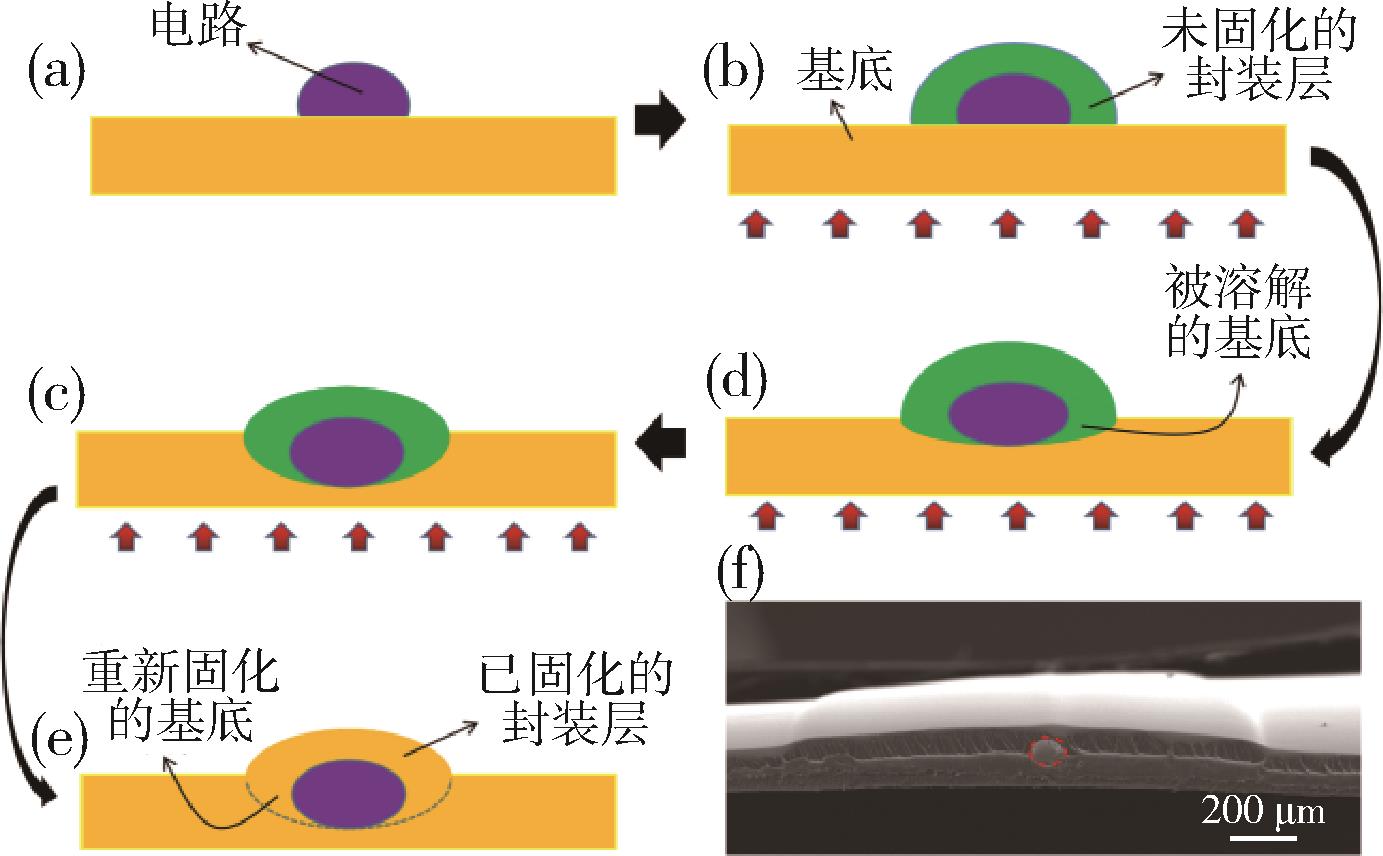
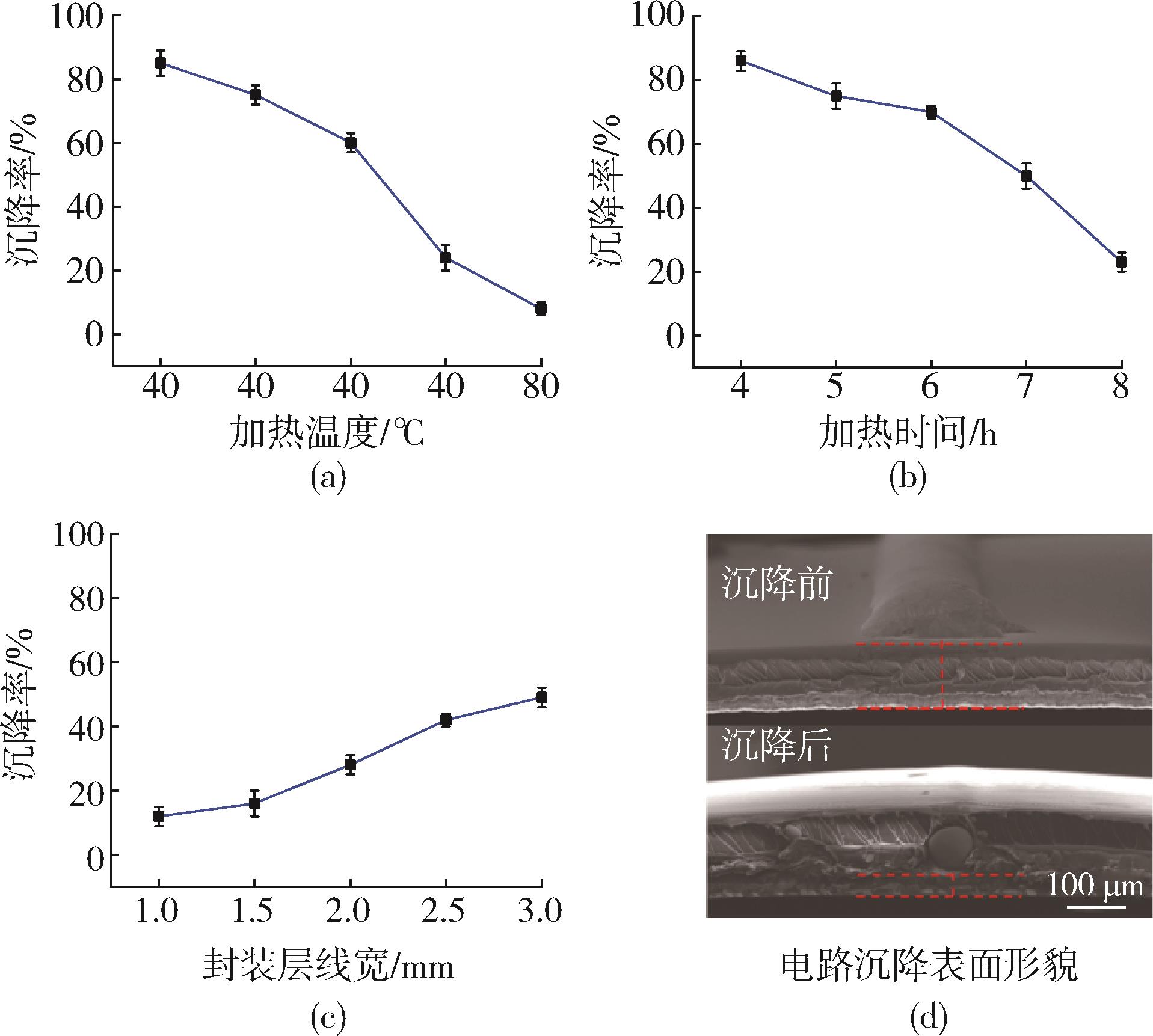
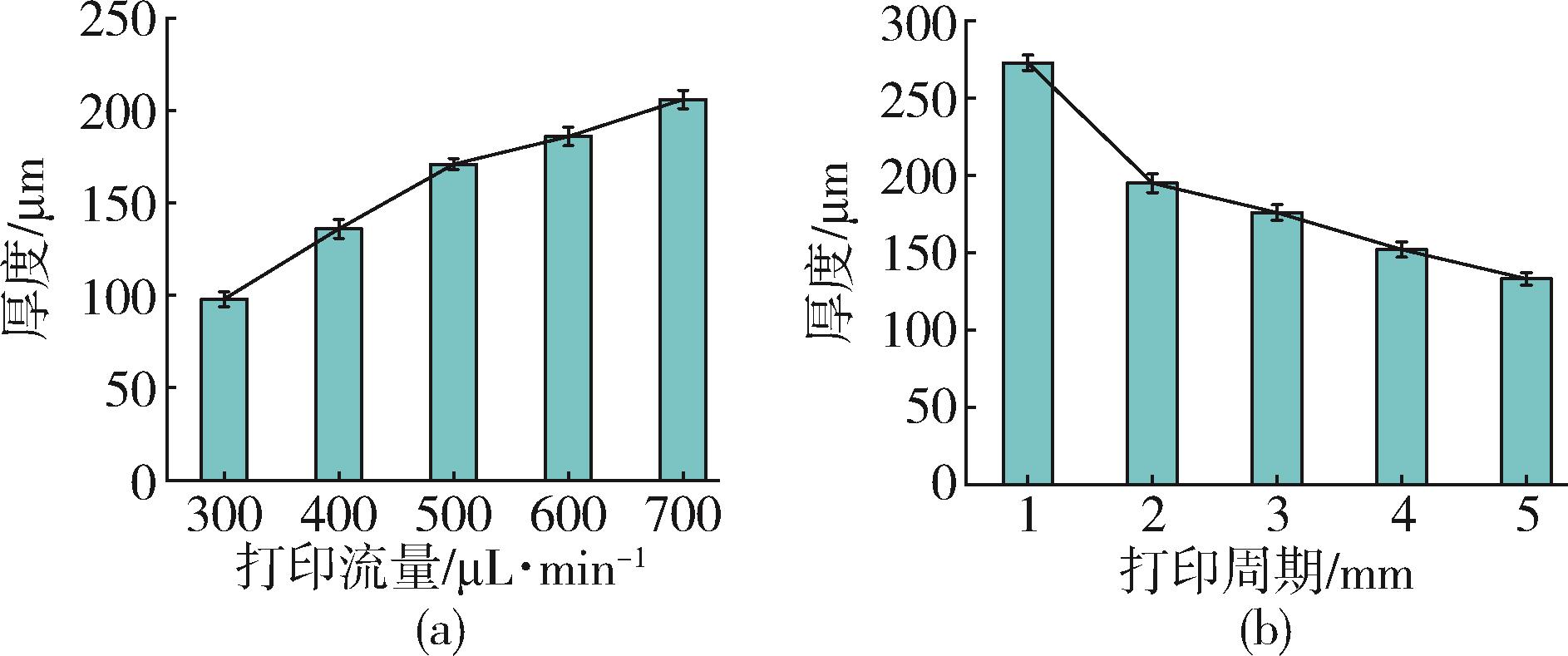
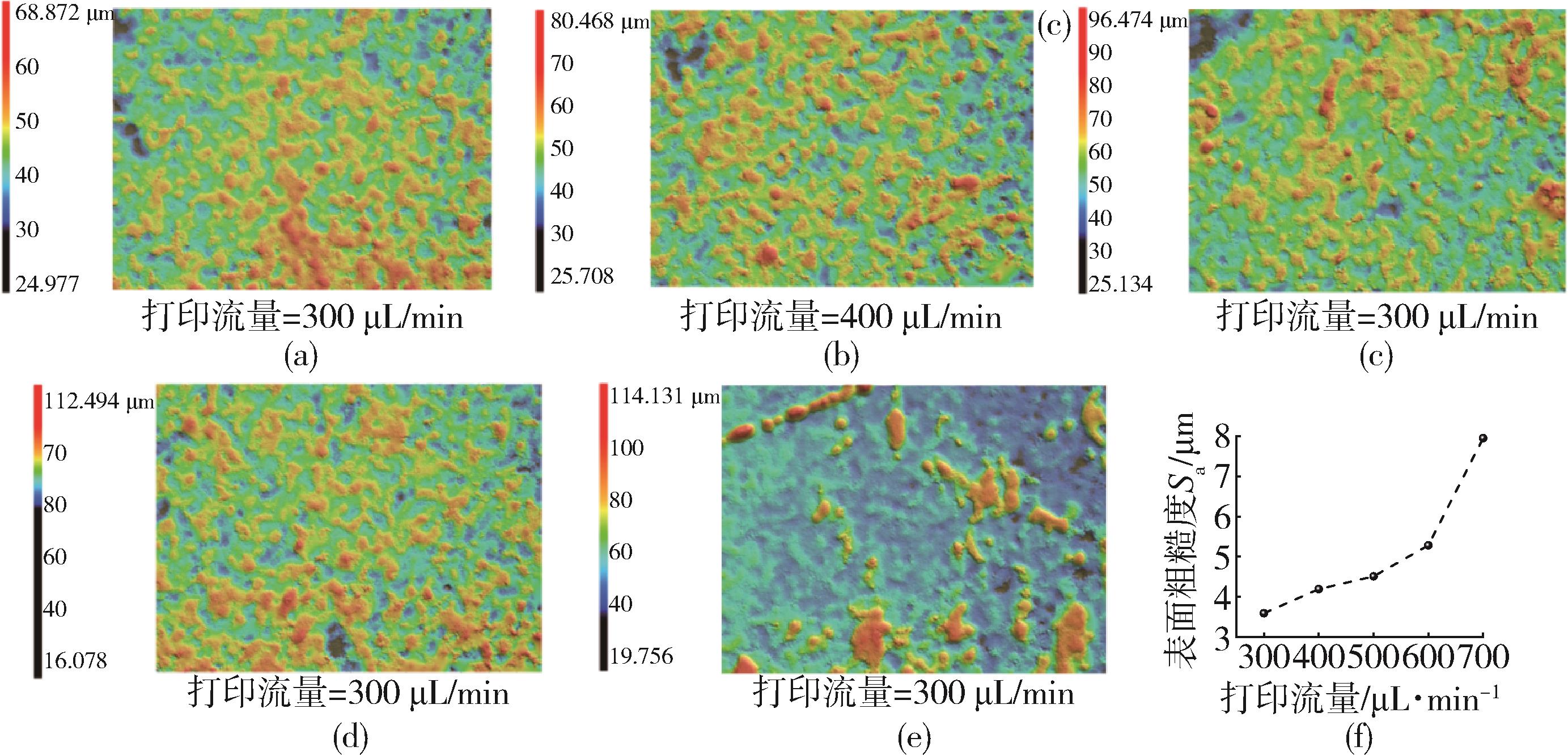
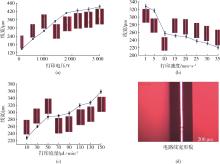
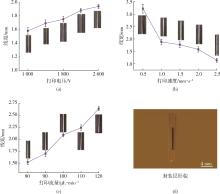
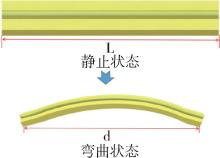
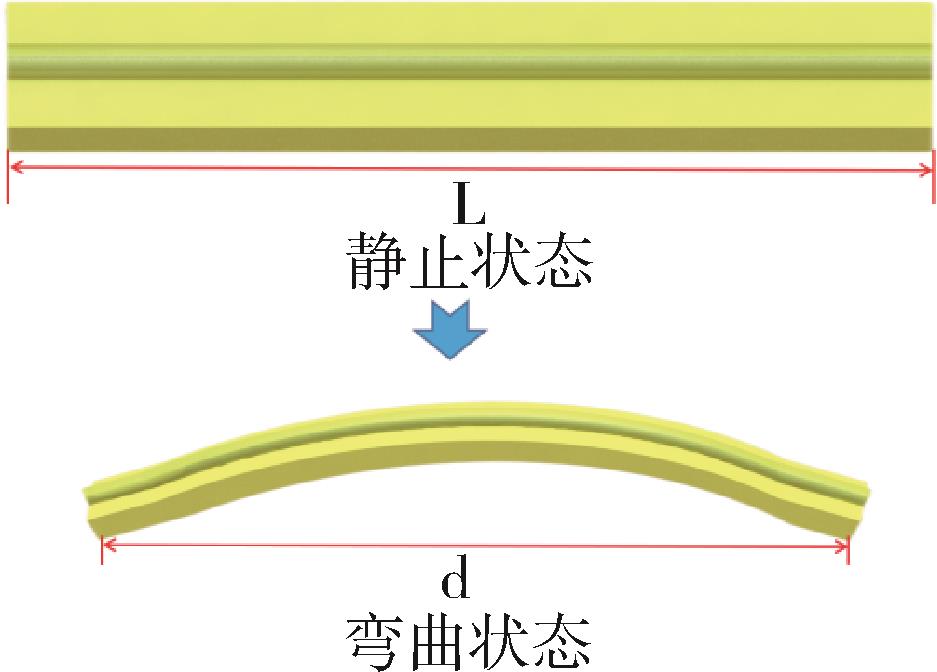
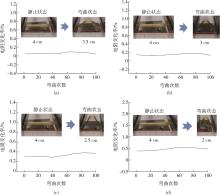
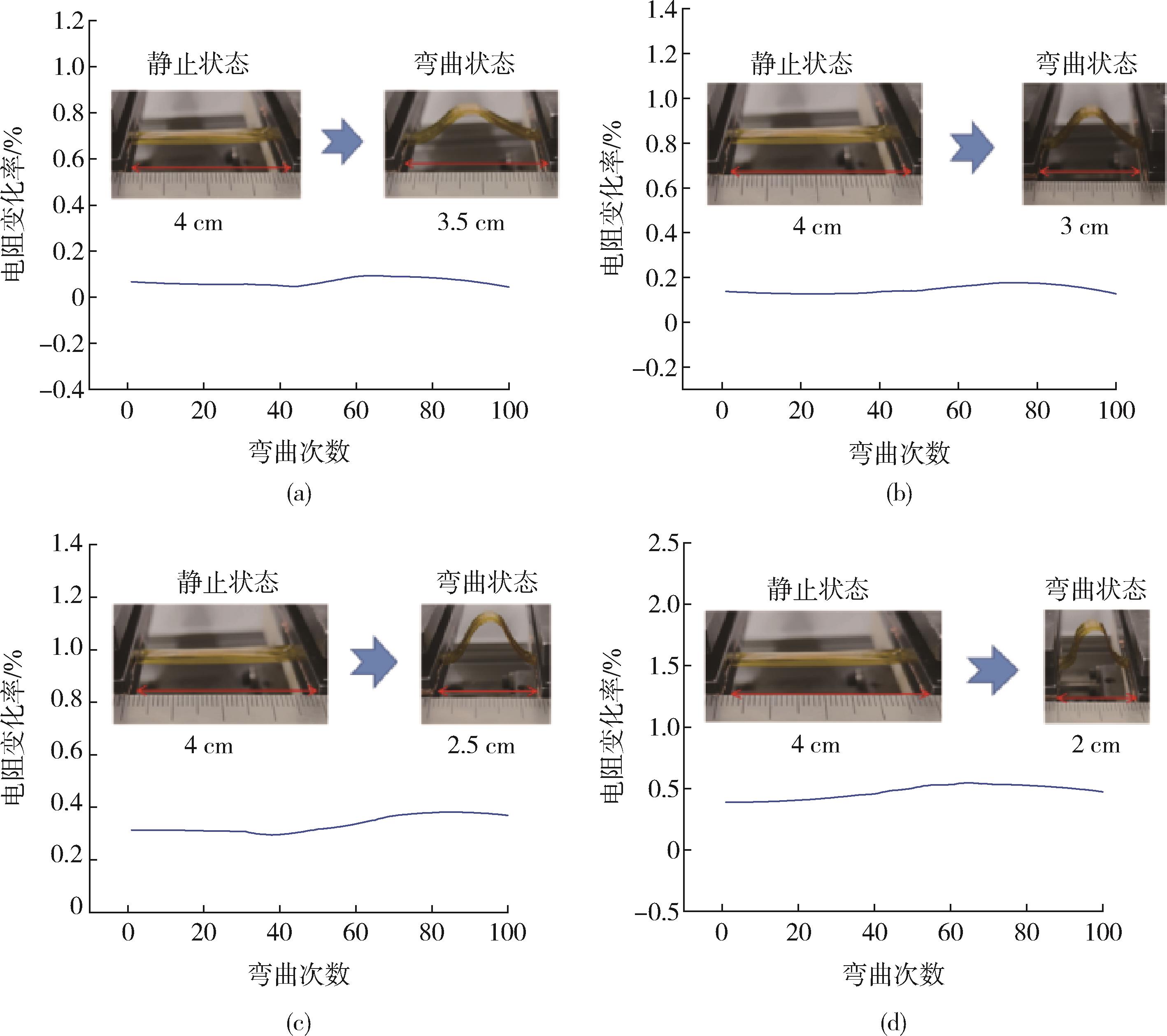
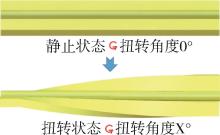
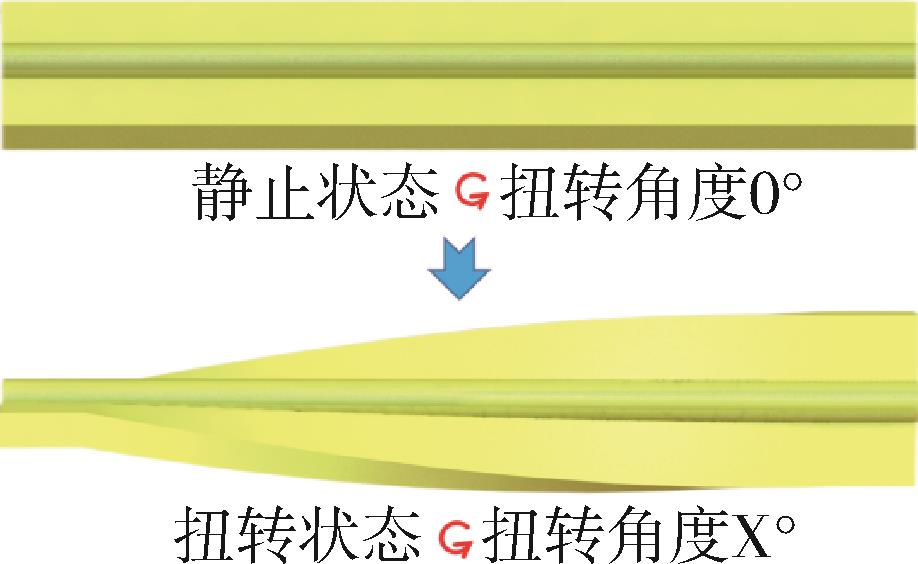
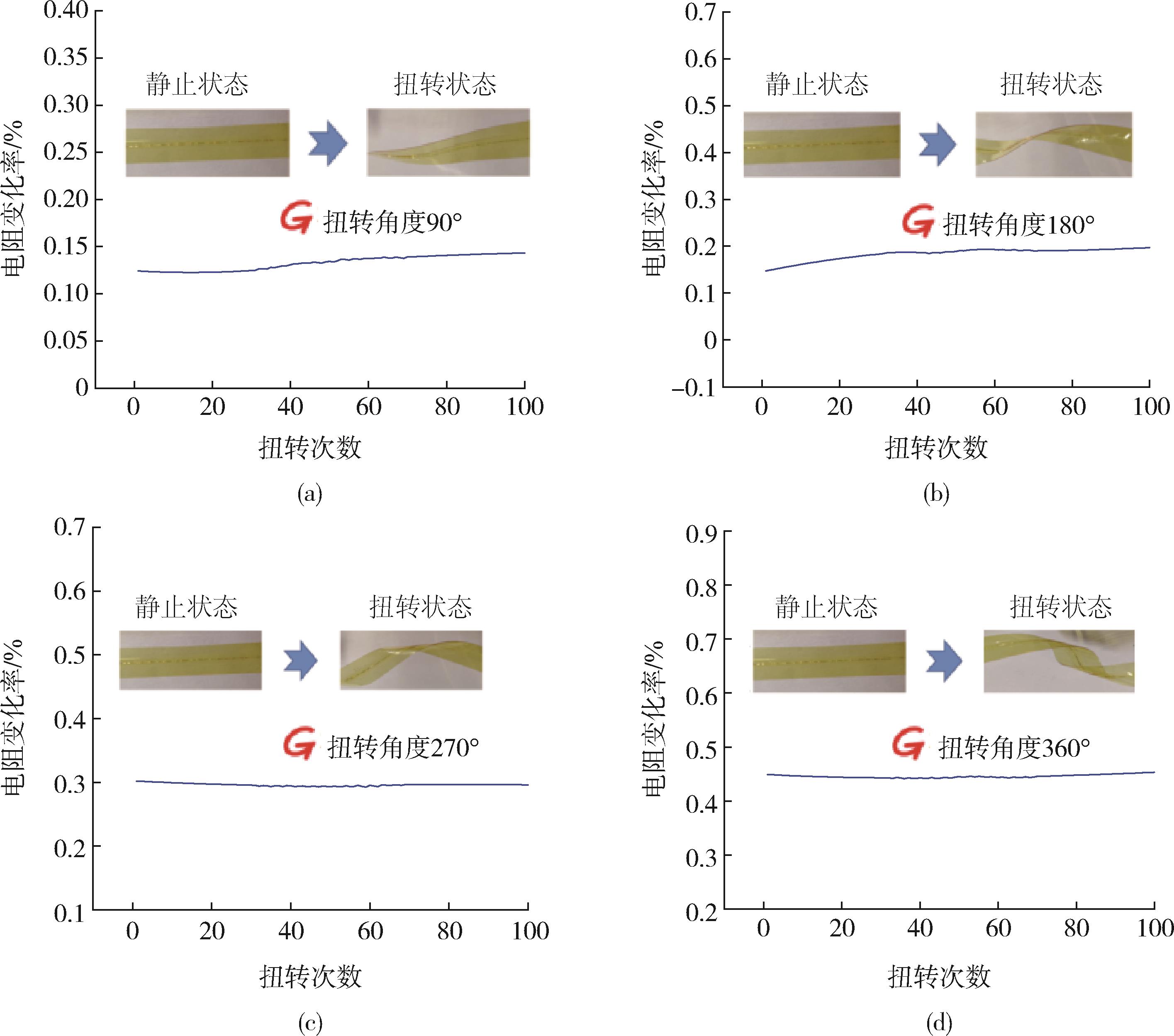
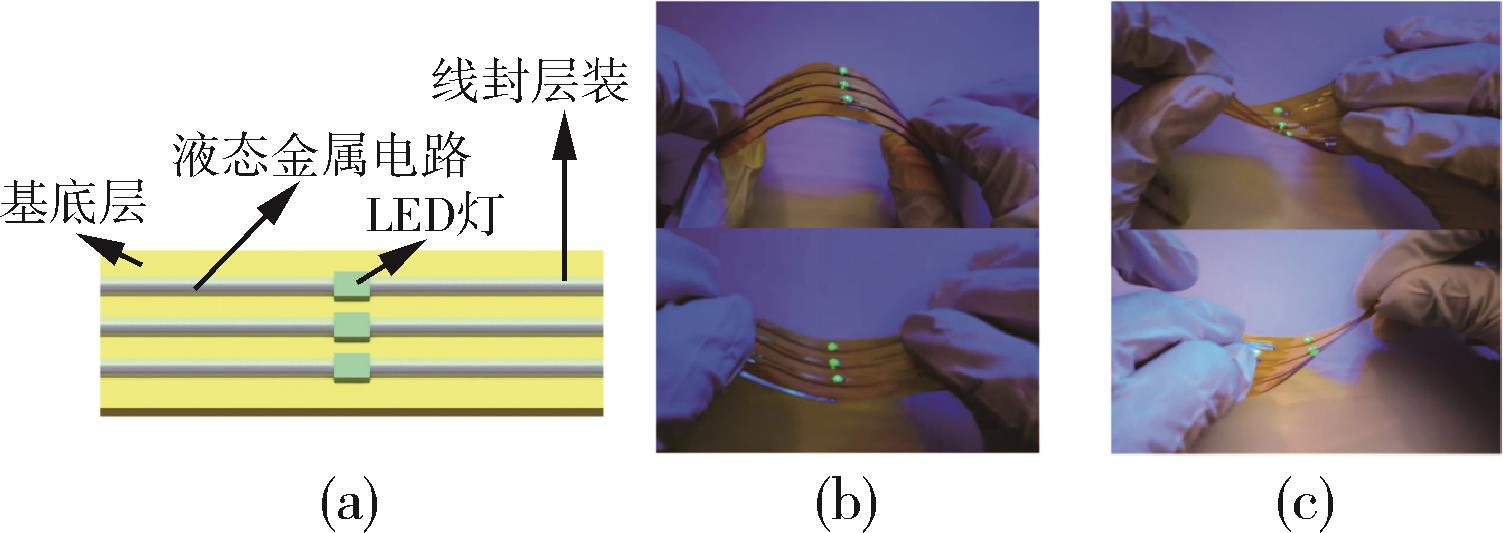
创新性地提出基于聚酰亚胺(PI)基材的液态金属柔性电路线封装3D打印技术研究。通过调节固态基底亚胺化程度和液态封装层线宽,调控基底的溶解进而控制电路的沉降。同时研究了不同工艺参数对PI基底层厚度及表面粗糙度、电路和封装层线宽的影响规律,利用提出的方法制备了柔性电路样品,并对其进行了弯曲和扭转性能测试。结果表明,电路沉降率最低可以降至8 %;在不同弯曲直径(3.5~2 cm)下分别循环弯曲100次,电阻变化率均保持在0.54 %以下;同样,在90 °~360 °扭转范围内分别循环扭转100次,电阻变化率也均低于0.45 %;基于提出的方法制备了PI基的柔性LED电路板,在不同角度的弯曲扭转形变环境中,该器件展现出了良好的柔韧性和电路连接的稳定性。

关键词: 聚酰亚胺, 三维打印, 液态金属, 柔性电路

Abstract:

This study presents a novel 3D printing technique for fabricating and encapsulating flexible liquid metal circuits on a polyimide (PI) substrate. The method precisely controls the circuit's settlement, a key factor in performance, by modulating the imidization degree of the PI base layer and the line width of the liquid metal and its encapsulation. The optimal process parameters reduced the circuit settlement rate to a minimum of 8 %. Furthermore, the influence of various printing parameters on the thickness and surface roughness of the PI layer, as well as on the line widths of the circuit and encapsulation, was systematically investigated. Flexible circuits fabricated with this method exhibited exceptional mechanical stability. After 100 bending cycles with diameters from 2 cm to 3.5 cm, the resistance change rate remained below 0.54 %. Similarly, after 100 torsion cycles within a range from 90 ° to 360 °, the resistance change rate was below 0.45 %. To demonstrate practical application, a flexible LED circuit board was successfully fabricated. The device maintained excellent circuit connectivity and stability under repeated bending and torsion, validating the proposed technique's potential for robust flexible electronics.

Key words: polyimide, three?dimensional printing, liquid metal, flexible circuits

中图分类号:
